🧶 Pattern Design: Applied Instructional Design in Action


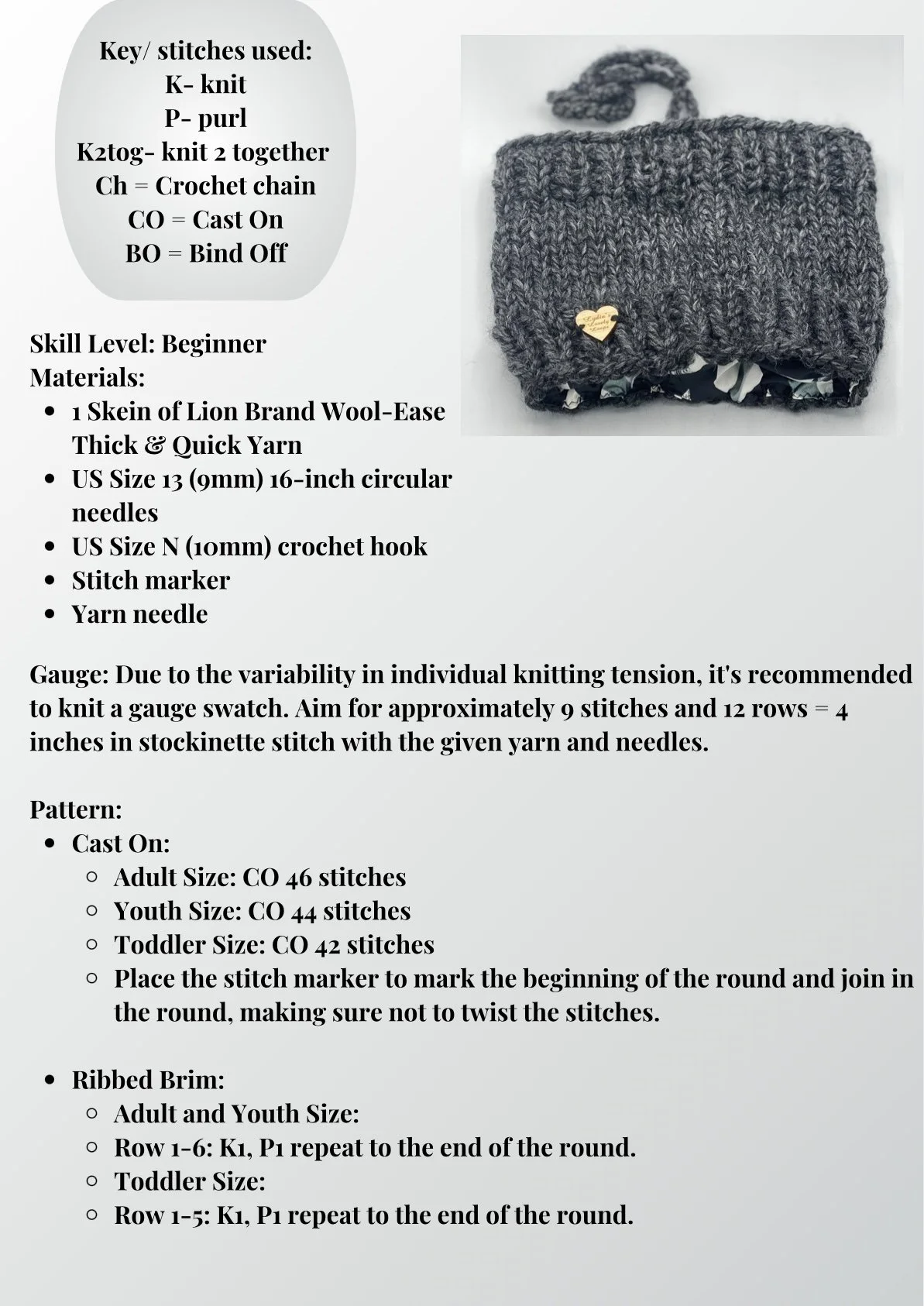
🎯 Challenge
Crochet and knit pattern instructions traditionally focus only on the end result, lacking systematic instructional design that supports learner success throughout the complex skill acquisition process.
💡 Solution Developed
a comprehensive learning ecosystem combining written and visual instruction, applying multi-modal learning design and user-centered testing to transform traditional craft patterns into effective learning experiences.
🛠️ Tools Used
Canva
Screenflow
Learning Outcomes:
Upon completing this multi-modal pattern tutorial, learners will be able to:
Execute the complete pattern from start to finish with technical accuracy, producing a finished item that matches specified dimensions and design elements.
Demonstrate mastery of required stitches and techniques including increases, decreases, color changes, and finishing methods with proper tension and consistency.
Self-assess progress at designated checkpoints, identifying errors early and applying corrective techniques before proceeding.
Troubleshoot common problems independently by referencing visual guides and written explanations that address typical mistakes.
Adapt the pattern to personal preferences such as size modifications or yarn substitutions by understanding underlying structural principles.
Build confidence in complex skill acquisition through systematic scaffolding that breaks down techniques into manageable sequential steps.
Research Methodologies:
Needs Assessment:
Conducted content analysis of existing crochet and knit patterns from major publishers and independent designers
Surveyed crafters across skill levels about pain points in learning new patterns
Analyzed online crafting community forums to identify frequently asked questions and common error patterns
Learner Analysis:
Developed learner personas representing three skill tiers: absolute beginners, intermediate crafters, and advanced learners
Identified cognitive and motor skill prerequisites for pattern success
Recognized diverse learning preferences within the crafting community
Instructional Design Framework:
Applied ADDIE methodology with emphasis on Design and Development phases
Mapped prerequisite skills and identified critical decision points where learners typically struggle
Created learning objective hierarchy and storyboarded visual sequences
User-Centered Design Research:
Studied UCD principles emphasizing iterative testing with representative users
Applied usability testing principles focusing on minimizing cognitive load
Researched cognitive load theory applications in procedural learning
Multi-Modal Learning Research:
Reviewed educational psychology literature on dual coding theory and multimedia learning principles
Analyzed research on procedural learning and motor skill acquisition
Examined studies on self-regulated learning where clear progress markers maintain motivation
Beta Testing Methodology:
Recruited diverse testing cohort representing varied skill levels, ages, and learning style preferences
Developed structured feedback protocol including pre-test surveys, during-project diary prompts, and post-project interviews
Evaluated finished items comparing learner output to pattern specifications
Data Collection & Analysis:
Gathered quantitative data on completion rates, time-to-completion, and error frequency
Collected qualitative feedback through surveys, interviews, and photos of works-in-progress
Conducted thematic analysis identifying recurring themes in learner feedback
Iterative Refinement:
Analyzed beta testing data to identify pattern sections with highest error rates or confusion
Revised instructional content for problematic sections with supplementary visuals and clarified text
Conducted second round of testing on revised sections to validate improvements
